
Mold Remediation Process: What to Expect from Start to Finish

The mold remediation process explains how professionals identify, contain, and remove mold while addressing the conditions that allow it to grow. This guide outlines what happens during mold remediation, how the mold removal process works step by step, and when professional involvement is typically recommended.

The goal of mold inspection and remediation is not only to remove visible mold, but to reduce the likelihood of recurrence by managing moisture and contamination safely.
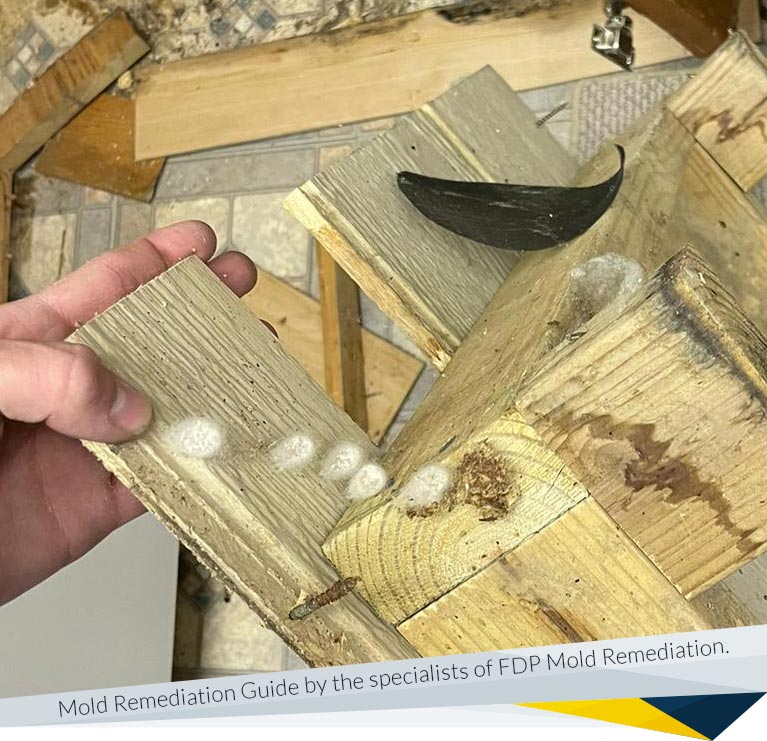

Mold Remediation Technical Guide

Understanding the Mold Remediation Process

The mold remediation process is a structured series of steps used by trained mold specialists to identify affected areas, contain them, remove contaminated materials, and clean remaining surfaces. It follows recognized industry standards, including the IICRC S520 Standard for Professional Mold Remediation published by the Institute of Inspection, Cleaning and Restoration Certification.

While each situation is different, most projects follow the same core remediation steps outlined below.

Is Mold Affecting Your Health?
Learn More
Send photos of your mold, get a fast estimate
Attach photos of your mold and we'll be in touch shortly with a pricing estimate.

Step 1: Mold Inspection and Initial Assessment

Mold remediation begins with a professional inspection to determine whether mold is present and how far it has spread. Mold inspections may include visual assessment, moisture readings collected with moisture meters, and evaluation of building materials that could support mold growth.

Inspection findings help define the scope of work and guide the next steps in the mold removal process.

Need clarification on what an inspection involves?

If you have questions about how mold inspections work or what information they provide, a professional assessment can clarify the scope of conditions observed and possible next steps. Contact FDP Mold Remediation at 877-421-2614 to discuss inspection options for your property.

Step 1: Mold Inspection and Initial Assessment

Step 2: Identifying Moisture Sources

Indoor mold growth is usually linked to excess moisture. During mold inspection and remediation, professionals look for conditions such as leaks, condensation, elevated humidity, or water intrusion.

Identifying these contributing factors is critical, since mold removal alone may not be effective if moisture issues remain unresolved.

Step 2: Identifying Moisture Sources

Step 3: Containment of Affected Areas

Containment is used to limit the spread of mold spores during removal. This typically involves isolating affected areas with physical barriers and managing airflow to keep disturbed spores within the work zone.

Containment methods are selected based on the size and location of the affected area and help protect unaffected parts of the building.

Step 3: Containment of Affected Areas

Step 4: Air Filtration and Environmental Controls

High-efficiency air filtration equipment can be used during mold remediation to capture airborne spores. These systems support containment by reducing mold particle concentrations in the work area.

Air filtration is one part of a broader strategy to manage contamination during active removal.

Step 4: Air Filtration and Environmental Controls

Step 5: Mold Removal Process and Surface Cleaning

The mold removal process involves physically removing contaminated materials that cannot be effectively cleaned and treating remaining surfaces. Non-porous and semi-porous materials may be cleaned using appropriate methods, while heavily affected porous materials are typically removed.

Cleaning focuses on reducing residual contamination rather than simply killing surface mold.

Step 5: Mold Removal Process and Surface Cleaning

Step 6: Drying and Moisture Stabilization

After removal and cleaning, affected areas are dried to bring moisture levels closer to normal indoor conditions. Drying may involve controlled airflow and dehumidification, depending on site conditions.

This step helps reduce the likelihood that mold will return under similar conditions.

Step 6: Drying and Moisture Stabilization

Step 7: Post-Remediation Evaluation

Once remediation activities are complete, a final evaluation is performed to confirm that visible mold has been addressed, and containment can be removed safely. In some cases, post-remediation verification or clearance testing may be recommended.

This step helps ensure the remediation process was completed as intended.

Step 7: Post-Remediation Evaluation

What our Mold Removal Specialists Do and Do Not Do

Our mold removal specialists focus on identifying mold, managing contamination, and performing controlled removal using professional equipment and techniques. Mold remediation typically does not include permanent building repairs, plumbing replacement, or structural reconstruction.

When repairs are needed, our professionals may recommend qualified contractors to address those issues separately.

Key Takeaways About Mold Remediation Steps

  • Mold remediation is a process, not a single treatment.
  • Mold inspections guide the scope of remediation work.
  • Moisture control is essential to long-term results.
  • Physical removal is required for contaminated materials.
  • Remediation reduces risk but does not guarantee mold will never return.

Frequently Asked Questions

What happens during mold remediation?

During mold remediation, professionals inspect affected areas, contain contamination, remove mold-affected materials, clean remaining surfaces, and manage moisture to reduce the risk of future growth.

How long does the mold remediation process take?

The timeline depends on the extent of contamination, moisture conditions, and material types involved. Some projects take a few days, while others may take longer.

Is mold inspection always required before remediation?

Mold inspections are commonly recommended because they help determine the scope of work and identify moisture sources, though the level of inspection may vary depending on the situation.

Can mold come back after remediation?

Mold can return if moisture conditions recur. Remediation reduces risk but cannot eliminate all future mold potential.

When should a mold removal specialist be contacted?

A mold removal specialist is typically contacted when mold is visible, recurring, or suspected in areas that cannot be safely cleaned with basic methods.

Next Steps

If you are uncertain whether professional mold remediation is appropriate for your situation, a visual inspection and moisture assessment can help clarify the condition of the affected area and available options.

Contact FDP Mold Remediation today to discuss your concerns or schedule a professional mold inspection. Our team can explain the process and help you determine the most appropriate next step based on your property conditions.

Call 877-421-2614 or reach us online to request an inspection.


Jacob Smith

About Author

Jacob Smith is a mold remediation expert at . He has over twenty years of experience in the field and likes to write about mold when he is not remediating this fungus from someone's home or facility.

Jacob's Facebook Page
About author

Call FDP Mold Remediation for immediate action!
Get All Mold Related Answers Found Mold?? Don't Wait!
Mold Remediation IICRC Certified
Choose fdp mold remediation with confidence
  • IICRC Certified Mold Remediation
  • Rebuild done by licensed contractors
  • Full Service solution, Inspection, Testing, Remediation
  • Clear communication from quote to completion
  • We finish on time and on budget
  • Applied Structural Drying Technician
  • Water Damage Restoration Technician
  • Applied Microbial Remediation Specialist
  • HEPA-Filtration Units
licensed, certified & insured mold remediation specialists
IICRC Certified
EPA Certified