What Our Mold Remediation Process Includes
By adhering to a structured mold remediation process, we understand the whole job before work begins and control the work area for your safety.
- Visual Review and Moisture Readings: We start by reviewing visible conditions and taking moisture readings in accessible areas to help define the work area and identify likely moisture patterns. This step helps us build a practical remediation scope. It does not identify mold species unless lab testing is separately added, and it does not diagnose health conditions.
- Containment Setup: Before removal or detailed cleaning begins, we isolate the affected area with containment barriers. When the job calls for it, we also use negative air pressure to help reduce cross-contamination during active work. This can be especially important in finished basements, lower levels with stair-access, and occupied parts of the home.
- Removal, Cleaning, and Treatment: Once the work area is contained and air filtration is in place, the main remediation work can begin. This phase may include removing affected materials, cleaning remaining surfaces, and using antimicrobial products when conditions support it.
- Material Removal: When porous materials are impacted, removal may be necessary rather than surface cleaning alone. Depending on the project, that can include drywall, insulation, carpet padding, damaged wood, or other affected materials within the approved work area. All removal is performed carefully within containment to help limit dust and debris spread.
- Detailed Cleaning: After damaged materials are removed, remaining surfaces are cleaned using methods appropriate to the material and the visible conditions present. Removed debris is handled and disposed of in a controlled manner as part of the cleanup process.
- Antimicrobial Treatment When Appropriate: When the material and condition support it, we may use EPA-registered antimicrobial products according to label directions. This can support cleaning on appropriate surfaces, but it does not replace removal when affected porous materials need to come out.
- Work-Area Drying and Moisture Control: After removal and cleaning, we may use dehumidification and targeted drying within the remediation area to move materials toward targeted moisture conditions. We also note visible or likely moisture contributors that may need separate correction, such as leaks, drainage issues, ventilation concerns, or persistent humidity.
- Encapsulation When Needed: In some basements, crawl spaces, or attics, encapsulation may be used after cleaning and drying to help seal specific surfaces. Whether that belongs in the scope depends on the material, access, and overall remediation plan.
What Can Affect Mold Remediation Cost
We do not publish fixed online pricing for mold remediation because the real cost depends on the size of the affected area, the materials involved, the containment needed, and how accessible the work area is. A small, contained area is very different from a multi-room basement project or a crawl space with tight access.
The most common cost variables include:
- Affected area size: More square footage usually means more setup, filtration, removal, and cleanup time.
- Material removal needs: Drywall, insulation, carpet padding, and other porous materials can change labor and disposal needs.
- Containment complexity: Multi-room containment, stairwells, or occupied areas can increase setup requirements.
- Access constraints: Tight crawl spaces, finished basements, and limited attic access can make the work slower and more involved.
- Contents and protection needs: Furniture, storage, and personal items may need additional protection or handling.
- Moisture conditions: Damp materials and ongoing moisture issues can affect how the project is scoped and sequenced.
We charge for the initial inspection. If you choose our team for mold remediation, the fee is credited toward the total remediation cost.
Learn more from our Mold Remediation Cost Guide or call us at 410-781-1950 to discuss your situation.
What Can Affect Project Timing
Project length depends on the scope of the work rather than the calendar alone. Some jobs can be completed in a relatively short window, while others take longer because of access, staging, material removal, or the time needed to dry remaining moisture within the work area.
The biggest timing factors usually include:
- The size of the contained work area
- How much material removal is needed
- Whether the project is in an attic, crawl space, or finished basement
- Whether multiple rooms need separate containment
- How much setup is required to protect contents or isolate occupied spaces
- And how long it takes for affected materials and the work area to dry toward more normal moisture conditions
For homeowners in Ellicott City, Turf Valley, and nearby Howard County neighborhoods, basement layout and access are often some of the biggest practical timing variables.
Why Homeowners Choose Us
Homeowners usually want two things from a remediation company: a process they can understand, and a scope that is explained clearly before work begins. That is where FDP Mold Remediation tries to be especially useful.
- Process-Driven Remediation: Our work is centered on containment, HEPA filtration, controlled removal, detailed cleaning, and work-area drying rather than vague promises or broad catch-all language.
- Clear Scope Boundaries: We keep remediation separate from services that may need to be handled independently, such as active leak correction, water damage restoration, or unrelated reconstruction outside the approved work area. That helps reduce confusion before the job starts.
- Standards-Informed Work: Our remediation practices are guided by the ANSI/IICRC S520 standard, and we aim to keep our work grounded in recognized public-facing guidance where it helps homeowners understand next steps. For general information about indoor mold and moisture, many people refer to the EPA, the CDC, and the Maryland Department of Health.
- Better Local Relevance: We regularly work with conditions common in Howard County homes, including finished lower levels, crawl spaces, older basement configurations, and areas where humidity or past water intrusion can create lingering moisture concerns.
- Clear Communication Before Work Begins: We explain what is inside the remediation scope, what may affect price or timing, and what issues may need separate correction before or after remediation.
Areas We Serve Near Ellicott City
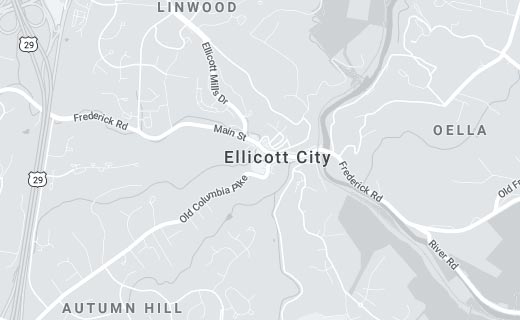
We serve Ellicott City and nearby Howard County communities, including areas around Old Ellicott City, Turf Valley, Dorsey's Search, Centennial, Dunloggin, Normandy Heights, Font Hill, Worthington, and Ilchester. Common nearby ZIP codes include 21042, 21043, 21045, and 21075.
If you are outside Ellicott City but nearby in Howard County, call us and we can confirm whether your property falls within our service area.
Schedule A Mold Remediation Assessment In Ellicott City
If you are seeing visible growth, noticing repeated moisture patterns, or dealing with a musty odor in a basement, crawl space, bathroom, or lower-level storage area, we can schedule an on-site assessment in Ellicott City.
We will review the visible conditions, discuss what you are seeing, and explain what a remediation scope may look like based on accessible conditions at the property.
Call 410-781-1950 to schedule your mold remediation assessment.
Frequently Asked Questions
When Is Mold Remediation the Right Next Step for a Home in Ellicott City?
When you have visible growth, mold-damaged materials, or recurring musty odor tied to damp conditions, remediation is often the right next step after an on-site assessment.
What Affects the Scope of Mold Remediation in a Basement, Attic, or Crawl Space?
Scope depends on affected area size, material type, containment needs, access limitations, and whether porous materials such as drywall or insulation need removal.
How Long Does Mold Remediation Usually Take?
Timing depends on area size, containment complexity, material removal, access, and drying conditions. Smaller contained jobs may move faster than larger, more involved projects.
Do I Need to Leave the House During Mold Remediation?
Not always. It depends on where the work is happening, how containment is set up, and whether the affected area connects closely to occupied space.
What Should I Do Before the Remediation Crew Arrives?
Clear access, secure pets, and avoid disturbing visible growth. If there is an active leak or ongoing moisture issue, have that addressed before remediation begins.
After Heavy Rain in Ellicott City, When Should I Call About Possible Mold Growth?
Call when materials stay damp, a musty odor develops, staining appears, or you see visible growth in a basement, crawl space, or lower level.